Composite Teeth: What Is Dental Composite Resin?
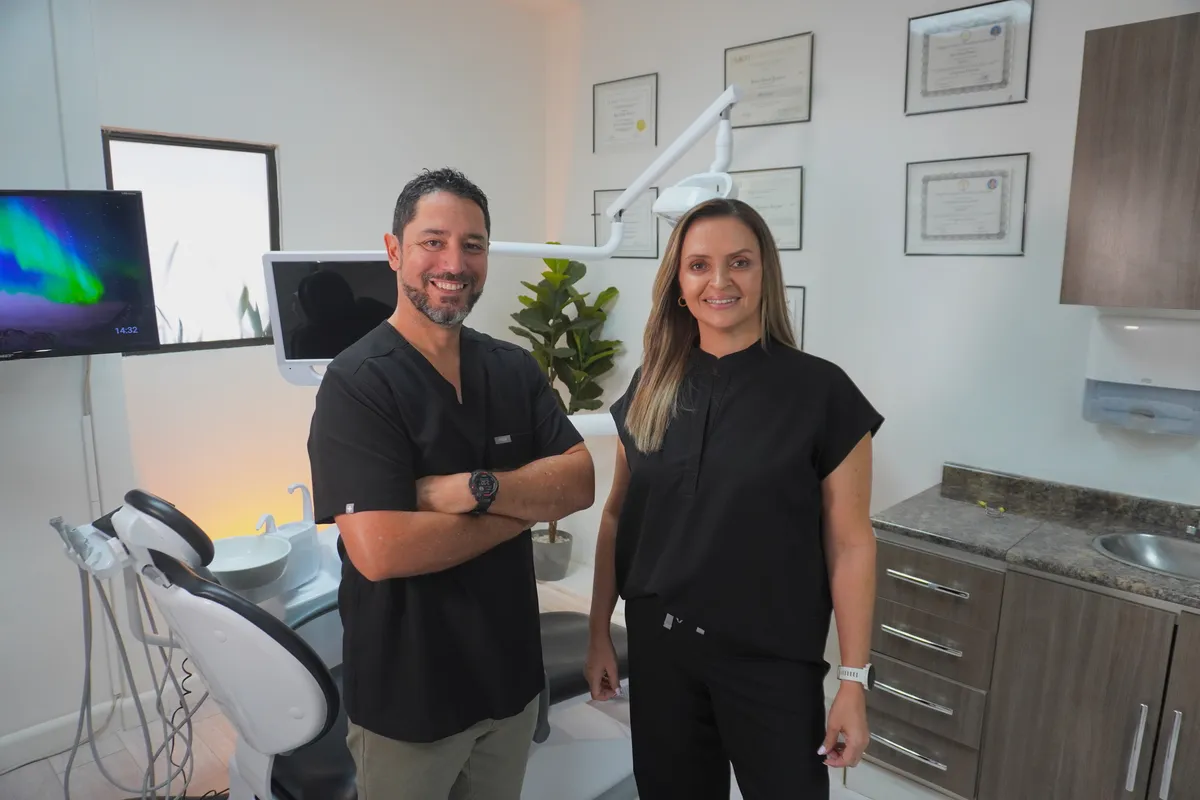
Dr. Diego Vernava & NPC Team
Doctor in Dental Surgery & Multidisciplinary Specialists
Published: 07 Aug, 2026 • 5 min read
In the evolving landscape of modern dentistry, patients increasingly seek solutions that blend superior aesthetics with uncompromising functionality. Among the most significant advancements in restorative care is dental composite resin, a material that has revolutionized how we approach everything from minor cosmetic enhancements to substantial restorative procedures. At North Pacific Clinic, situated amidst the natural beauty of Tamarindo, Guanacaste, Costa Rica, we leverage this versatile material to deliver outcomes that restore both health and confidence.
This article delves into the essence of dental composite resin, exploring its composition, diverse applications, and the distinct advantages and considerations associated with its use. Understanding this material is key to appreciating its role in achieving lasting dental wellness.
What Is Dental Composite Resin?
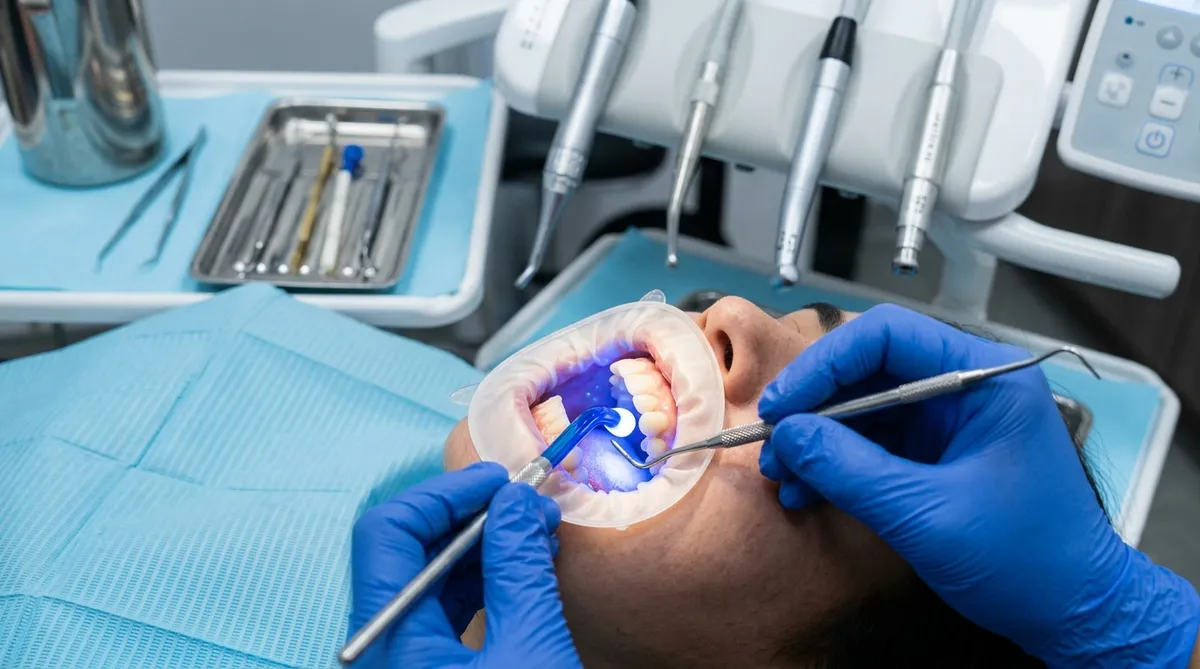
Dental composite resin is a tooth-colored restorative material used to repair decayed, chipped, fractured, or discolored teeth. Unlike traditional silver amalgam fillings, composite resin offers a naturally aesthetic solution, seamlessly blending with the patient's existing dentition. Its application involves a process called "bonding," where the material is directly applied to the tooth surface, shaped, and then hardened with a specialized light, creating a strong, durable, and virtually invisible restoration.
At North Pacific Clinic, our commitment to using FDA and EU-approved materials ensures that every composite restoration meets the highest international standards for safety and efficacy, reflecting our dedication to functional longevity and patient well-being.
What Is Dental Composite Resin Made Of?
The strength and versatility of dental composite resin derive from its unique blend of components, meticulously engineered for optimal performance:
- Resin Matrix: This is the organic polymer base that binds all other components. Common monomers include Bis-GMA (Bisphenol A-glycidyl methacrylate), UDMA (Urethane dimethacrylate), and TEGDMA (Triethylene glycol dimethacrylate). These polymers provide the material's plasticity before curing and its ultimate hardness afterward.
- Inorganic Filler Particles: These microscopic particles, often made of glass, quartz, silica, or zirconium, are dispersed within the resin matrix. Their primary role is to enhance the composite's strength, wear resistance, translucency, and polishability, while also reducing shrinkage during curing. The size and quantity of these particles significantly influence the material's properties.
- Coupling Agent: Typically silane, this agent acts as a molecular bridge, chemically bonding the inorganic filler particles to the organic resin matrix. This crucial connection ensures the integrity and durability of the composite material, preventing separation and enhancing its overall mechanical properties.
- Initiator System: A photoinitiator (like camphorquinone) is included to enable the composite to harden when exposed to a specific wavelength of light. This allows the dental professional precise control over the working time and setting of the material.
- Pigments: Small amounts of pigments are added to match the composite's shade precisely to the surrounding tooth structure, ensuring an aesthetically superior result.
What Are the Uses of Dental Composite Resin?
The adaptable nature of dental composite resin makes it an indispensable tool across a broad spectrum of restorative and cosmetic dental procedures:
- Tooth-Colored Fillings: Perhaps its most common application, composite resin is used to fill cavities resulting from decay, offering a discreet alternative to metal fillings.
- Dental Bonding: This involves applying composite resin to repair chipped, cracked, or broken teeth, improving their appearance and structural integrity.
- Cosmetic Reshaping: For minor aesthetic concerns such as altering the shape or length of a tooth, composite resin can be sculpted directly onto the tooth surface.
- Diastema Closure: Composites can effectively close small gaps between teeth, enhancing smile symmetry without orthodontics or veneers.
- Restoration of Worn Teeth: For teeth eroded by acid or grinding, composite can rebuild lost tooth structure, protecting against further damage.
- Protection of Exposed Roots: It can be applied to cover sensitive root surfaces, alleviating discomfort.
What Are the Main Advantages of Dental Composite?
Choosing dental composite resin offers several compelling benefits for patients seeking modern dental care:
- Superior Aesthetics: Composite resins can be matched precisely to the natural shade of your teeth, providing a virtually invisible restoration that enhances your smile's beauty.
- Conservation of Tooth Structure: Unlike amalgam, which often requires significant removal of healthy tooth structure to create a retentive shape, composite bonding allows for more conservative preparations, preserving more of your natural tooth.
- Versatility: Its ability to be sculpted and bonded makes it suitable for a wide range of applications, from filling cavities to comprehensive cosmetic enhancements.
- Biocompatibility: Composite materials are well-tolerated by the body, making them a safe choice for most patients.
- Repairability: In many cases, minor chips or damage to a composite restoration can be repaired by simply adding new composite material, rather than replacing the entire filling.
What Are the Main Limitations of Dental Composite?
While highly advantageous, it is important to understand the inherent limitations of dental composite resin:
- Durability and Longevity: While strong, composites may not be as durable as amalgam or ceramic restorations in areas subjected to very heavy biting forces, potentially requiring replacement sooner. Their average lifespan is typically 5-10 years, depending on factors like oral hygiene, diet, and location in the mouth.
- Staining Potential: Over time, composite resins can absorb pigments from dark beverages (coffee, tea, red wine) and certain foods, leading to discoloration. Regular professional cleaning and good oral hygiene can mitigate this.
- Application Time and Technique Sensitivity: The process of placing a composite filling is more technique-sensitive and often takes longer than placing an amalgam filling, as the tooth must be kept completely dry during placement and the material applied in layers.
- Cost: Generally, composite fillings can be more expensive than amalgam fillings, reflecting the material cost, the time-intensive application process, and the specialized skills required for aesthetic integration.
Why Choose North Pacific Clinic for Your Composite Restorations?
At North Pacific Clinic, nestled in the vibrant heart of Tamarindo, Guanacaste, Costa Rica, we combine over two decades of clinical excellence with a deeply empathetic approach to patient care. Under the esteemed leadership of Dr. Diego Vernava (Doctor in Dental Surgery) and Dra. Karol Trejos, supported by a multidisciplinary team including specialists in Endodontics and Maxillofacial Surgery, we ensure every restoration meets the highest global benchmarks.
Our commitment extends beyond clinical precision. For our international guests, we offer a compelling proposition: significant cost efficiencies, often 50% to 70% savings compared to procedures in the US or Canada, without compromising on quality. We strictly adhere to US and Canadian sterilization and biosecurity protocols, using only materials approved by the US FDA and EU, and maintain an active registry with the Colegio de Cirujanos Dentistas de Costa Rica.
We understand that strategic healthcare mobility involves more than just dental treatment. Our dedicated team provides comprehensive logistics support, including airport transfers from Liberia (LIR) or clinic shuttles, partnered discounted accommodations (Tamarindo Bay Hotel, Antema Lodge, Hotel Seis Playas), and seamless integration with local activities such as catamaran tours, surf lessons, and national park hikes. Our goal is to transform your dental journey into a restorative and rejuvenating experience.
Begin Your Journey Towards a Healthier, More Radiant Smile
Whether you are seeking to repair a chipped tooth, replace an old filling, or enhance the overall aesthetics of your smile, dental composite resin offers a sophisticated and effective solution. At North Pacific Clinic, our team is dedicated to providing personalized care that aligns with your unique oral health goals and aesthetic aspirations.
We invite you to explore the possibilities for your smile. Connect with us for a virtual consultation or to arrange an in-person visit to our clinic in Tamarindo. Let us guide you towards optimal biological progression and functional longevity for your dental health.
Contact North Pacific Clinic Today:
WhatsApp: +506 8332 4004
Clinic Phone: +506 2652 9016