Flying After Dental Surgery: Guidelines, Timeline & Safety Tips for International Patients
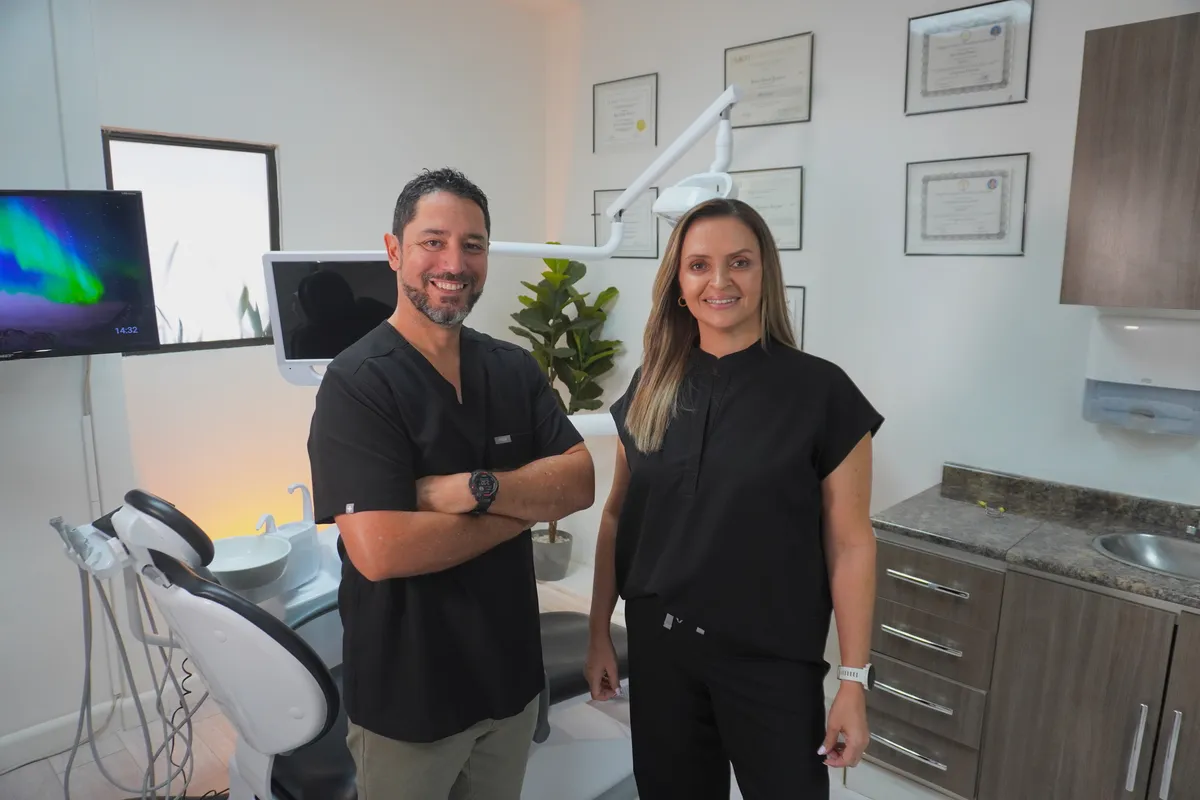
Dr. Diego Vernava & NPC Team
Doctor in Dental Surgery & Multidisciplinary Specialists
Published: 17 Oct, 2026 • 5 min read
Navigating Air Travel After Oral Surgery: A Clinical Overview
Choosing North Pacific Clinic in Tamarindo, Guanacaste, Costa Rica, for your restorative or cosmetic dental care represents a strategic investment in both your oral health and global wellness. Under the expert direction of Dr. Diego Vernava, DDS, and Dra. Karol Trejos—alongside our multidisciplinary specialists in maxillofacial surgery and endodontics—our international patients routinely experience 50% to 70% cost efficiencies without ever compromising on US-FDA or EU-approved materials, strict biosecurity protocols, or the rigorous standards of the Colegio de Cirujanos Dentistas de Costa Rica.
However, once your procedure is successfully completed, a common logistical question arises: When is it safe to board a flight home? As a clinic serving patients traveling from the United States, Canada, and beyond, our priority is ensuring your biological progression and recovery remain uninterrupted at 30,000 feet. Below is our clinical guidance on navigating air travel safely following your dental procedure.
How Cabin Pressure Affects Surgical Sites
Commercial aircraft cabins are pressurized to altitudes equivalent to 6,000 to 8,000 feet above sea level. According to Boyle’s Law, as ambient atmospheric pressure decreases, the volume of trapped gases within the human body increases. Following oral surgery—particularly procedures involving extractions, bone grafting, or sinus lifts—tiny pockets of air or developing blood clots within the alveolar bone or maxillary sinuses can experience subtle pressure shifts.
While modern aircraft hulls mitigate extreme variations, these micro-fluctuations can exert gentle outward pressure on fresh surgical wounds, potentially disrupting nascent blood clots or aggravating post-surgical inflammation. Minimizing this risk is a matter of respecting precise healing timelines and managing cabin hydration.
Safe Flying Timelines: Procedure-Specific Guidelines
Every clinical intervention has a distinct biological healing trajectory. Rushing back to Guanacaste’s Daniel Oduber Quirós International Airport (LIR) too soon can jeopardize your results. We recommend the following minimum wait times before boarding a flight:
- Minimally Invasive Cosmetic Dentistry (Veneers & Crowns): 24 to 48 hours. Because these treatments involve minimal disruption to the underlying bone and soft tissue, travel is exceptionally safe once any localized anesthetic has fully worn off and bite alignment is verified. (Note that standard crown and bridge work typically requires a dedicated ~7 business day window in our Tamarindo facility).
- Single Dental Implants & Simple Extractions: 48 to 72 hours. This brief observation window allows primary soft-tissue closure to initiate and stable clot formation to anchor within the implant osteotomy site. (Remember that standard implant therapy involves two visits: Visit 1 for placement spanning 3 to 5 days, followed by Visit 2 for final crowns 3 to 6 months later).
- Complex Maxillofacial Procedures (Sinus Lifts & All-on-4): 5 to 7 days. These advanced restorative protocols require careful monitoring by our surgical team. We schedule mandatory postoperative evaluations at our Royal Palms Plaza clinic to verify tissue integrity before clearing you for international travel.
In-Flight Recovery Kit: What to Pack in Your Carry-On
Preparation is the cornerstone of a comfortable journey home. Never place your prescribed postoperative medications, surgical care instructions, or primary recovery tools in checked luggage. Your in-flight medical kit should include:
- Prescribed Pharmacotherapy: Keep your analgesics, anti-inflammatories, and any prescribed antimicrobial rinses readily accessible in your carry-on luggage.
- Cold Compress Solutions: Ask flight attendants for additional ice wrapped in a clean barrier towel, or pack flexible instant cold packs to manage localized facial swelling during long-haul flights.
- Gauze & Hydrocolloid Dressings: Pack extra sterile gauze pads in case minor, residual oozing occurs during ascent or descent.
- Hydration and Nutrition: Cabin air is notoriously dry, which can dry out mucosal tissues and compromise healing. Bring a dedicated water bottle, sip frequently, and adhere strictly to the soft-diet recommendations provided by our clinical team.
Managing Swelling and Discomfort On the Go
Airport layovers and cramped aircraft seating can exacerbate fluid retention and inflammatory responses. To mitigate post-surgical discomfort while in transit:
- Maintain Elevation: Whenever possible, keep your head elevated slightly above your heart. Avoid lying flat during the flight, as this can increase cephalic blood pressure and intensify throbbing at the surgical site.
- Apply Intermittent Cold Therapy: Use your cold packs for 15-minute intervals during the first 48 hours post-surgery to constrict local blood vessels and minimize edema.
- Avoid Strenuous Exertion: Allow airport staff to assist with heavy luggage, and utilize wheelchair services if you underwent extensive surgery like an All-on-4 procedure. Protecting your physical energy directly supports your systemic recovery.
Direct Emergency Access: Staying Connected With North Pacific Clinic
Your relationship with North Pacific Clinic does not end when you leave Tamarindo. Our commitment to your long-term health includes continuous, cross-border clinical support. Whether you are recovering at a partnered local accommodation—such as the Tamarindo Bay Hotel, Antema Lodge, or Hotel Seis Playas—or already resting in your living room abroad, our medical staff remains just a message away.
If you experience unexpected symptoms, persistent bleeding, or heightened discomfort during your transit, you can connect directly with our clinical team via WhatsApp at +506 8332 4004 or call us at +506 2652 9016.
Frequently Asked Questions About Air Travel After Dental Surgery
Will titanium or zirconia dental implants set off airport metal detectors?
Generally, no. Titanium alloys and high-purity zirconia are non-ferromagnetic or minimally magnetic materials that rarely trigger standard airport security screening portals. Furthermore, internal dental fixtures are well-integrated within bone tissue and do not pose security compliance issues. Always carry your clinical treatment summary or implant passport in your travel folder for peace of mind.
How should I pack and declare prescription pain management in my carry-on?
Keep all prescription medications in their original pharmacy packaging, clearly displaying your name and prescribing details. While standard international travel laws permit carrying personal quantities of necessary medications, having a signed letter from Dr. Diego Vernava or our medical team detailing your recent procedure simplifies any TSA or international customs inquiries.
Begin your restorative journey with the confidence of world-class clinical oversight. To schedule a virtual or in-person consultation with our multidisciplinary team in Tamarindo, contact North Pacific Clinic today via WhatsApp at +506 8332 4004 or call +506 2652 9016.