Flying Home After Full-Arch Implants: Cabin Pressure, Comfort & Safe Transit Tips from Costa Rica
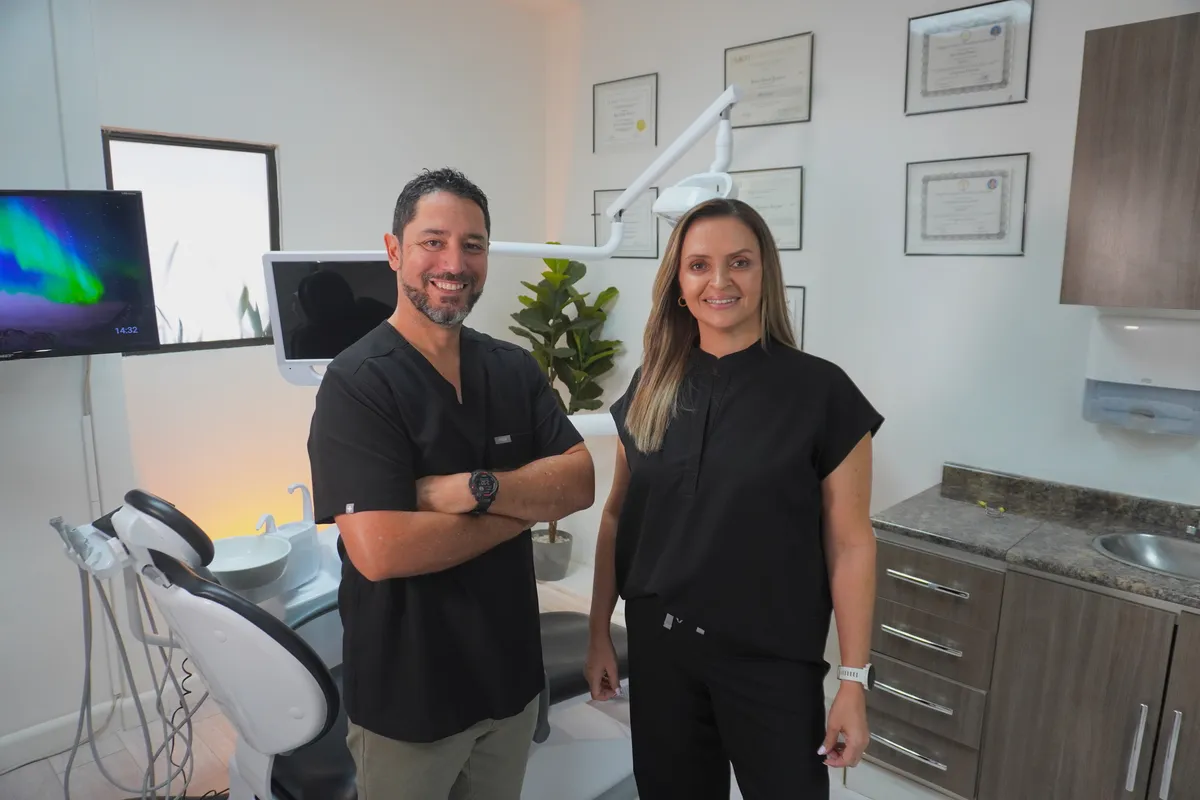
Dr. Diego Vernava & NPC Team
Doctor in Dental Surgery & Multidisciplinary Specialists
Published: 19 Nov, 2026 • 5 min read
Completing a full-arch implant restoration or complex bone grafting procedure marks a profound milestone in reclaiming oral function, systemic wellness, and structural longevity. Yet for international patients preparing to fly back to North America or Europe within three to seven days of surgery, the prospect of commercial air travel naturally introduces questions about comfort, healing, and physiological safety. Understanding how aircraft cabin environments interact with early surgical recovery allows you to transition from the serene, restorative pace of Costa Rica back to your home routine with complete peace of mind.
Post-Operative Physiology and Aircraft Cabin Pressure
Commercial aircraft cabins are typically pressurized to simulate an altitude of 6,000 to 8,000 feet. While modern implants themselves are made of solid biocompatible titanium or zirconia and are entirely unaffected by atmospheric changes, the surrounding soft tissues, sinuses, and vascular spaces are actively undergoing initial osseointegration and angiogenesis—the biological processes of bone anchoring and new blood vessel formation.
- Sinus Lift and Upper-Arch Considerations: When upper-arch restorations involve sinus augmentation or implants placed near the maxillary sinus floor, subtle shifts in barometric pressure during ascent and descent can create temporary sensations of fullness or mild sinus pressure. Keeping nasal passages clear with clinician-approved saline sprays helps equalize pressure without stressing delicate sutures or bone graft membranes.
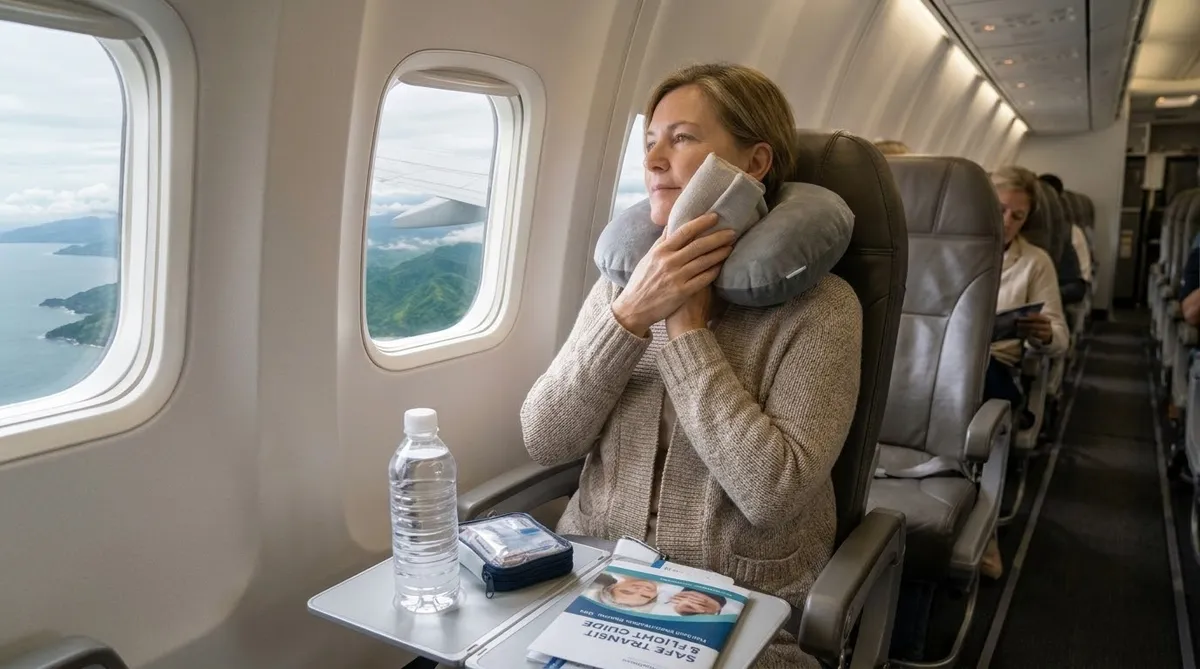
- Fluid Retention and Edema: Low cabin pressure combined with prolonged sitting encourages mild peripheral fluid retention, which can temporarily accentuate post-surgical facial edema (swelling). Elevating your head with a supportive travel pillow and walking the aisle briefly every hour promotes healthy lymphatic drainage.
- Anesthesia and Sedation Clearance: Local anesthetics clear the system within hours, whereas IV sedation requires a minimum of 24 to 48 hours of stabilized recovery before flying. Waiting three to seven days post-procedure ensures that acute inflammatory responses have peaked and begun subsiding, and that your immediate-load provisional prosthesis has been verified for stable occlusal alignment.
Smooth Airport and Transit Logistics in Costa Rica
Minimizing physical exertion on departure day protects blood clot stability and prevents spikes in blood pressure that could trigger minor oozing at surgical sites. Whether departing from Daniel Oduber Quirós International Airport (LIR) in Liberia—just over an hour from Tamarindo—or Juan Santamaría International Airport (SJO) in the Greater Metropolitan Area, strategic transit planning eliminates unnecessary physical strain.
- Private Ground Transfers: Arrange direct, door-to-door private transportation from your hotel to the terminal so you never have to navigate shuttle steps or manage heavy luggage independently.
- Terminal Mobility Assistance: Even if you feel energetic, request complimentary wheelchair or electric cart assistance through your airline at least 48 hours prior to departure. Long terminal walks and standing in immigration lines raise heart rate and physical fatigue; conserving energy preserves your body’s capacity for tissue repair.
- Luggage Management: Avoid lifting heavy overhead carry-ons, as straining the neck and shoulder musculature increases cranial venous pressure. Check larger bags at curbside and keep only a lightweight personal tote containing essentials beneath the seat in front of you.
- Medication Timing: Align your prescribed anti-inflammatory or analgesic schedule with your airport transfer so peak comfort coincides with security screening and boarding, keeping all medications in their original labeled pharmacy containers inside your carry-on.
In-Flight Precautions and Clinical Red Flags
Aircraft cabins maintain a relative humidity of 10% to 20%, which can rapidly dry oral mucosa and irritate healing gingival tissues. Thoughtful in-flight habits protect both your surgical sites and your provisional All-on-4 or All-on-6 bridge.
- Hydration Without Negative Pressure: Drink room-temperature water consistently throughout the flight, but never use a drinking straw. The suction creates negative intraoral pressure that can dislodge protective blood clots or disturb delicate tissue margins.
- Strict Soft-Food Discipline: Decline hard airline snacks, nuts, crusty rolls, or chewy meats. Your provisional restoration is engineered for aesthetics and gentle function while implants integrate with the surrounding bone; pack approved soft nutrition such as protein shakes, applesauce, or yogurt cups (adhering to liquid volume rules at security, or purchasing post-security).
- Thoughtful Medication Management: Follow your clinician's exact dosing intervals, and take care not to double up on acetaminophen or NSAIDs if your prescription analgesic already contains them alongside over-the-counter options.
- Recognizing Pre-Boarding Red Flags: While mild tenderness and slight bruising are normal during the first week, contact your clinical team before boarding if you experience active, uncontrolled bleeding that does not respond to firm gauze pressure, a sudden fever, a noticeable shift in your bite, or escalating throbbing pain that worsens rather than improves.
Pre-Flight Check-In and Remote Follow-Up Protocol
Before departing Costa Rica, your final chairside evaluation confirms soft-tissue closure, suture integrity, and balanced bite forces across your provisional arch. This appointment also establishes seamless continuity of care once you return home.
- Comprehensive Diagnostic Records: Request digital copies of your pre- and post-operative CBCT (Cone Beam Computed Tomography) scans, panoramic radiographs, and implant component specifications (manufacturer, platform size, and torque values). Having these records ensures any local dentist you visit for routine hygiene understands your exact prosthetic architecture.
- Written Post-Op and Hygiene Instructions: Confirm your timeline for transitioning from gentle antimicrobial or saline rinses to soft brushing and water flossing around the prosthetic interface.
- Virtual Post-Op Continuity: Reputable cross-border restorative teams maintain structured telemedicine check-ins at the two-week, six-week, and three-month milestones to monitor tissue maturation and coordinate your return visit—typically three to six months later—for your definitive zirconia or porcelain full-arch restoration.
The North Pacific Advantage
At North Pacific Clinic in Tamarindo, Guanacaste, cross-border oral rehabilitation is built around the convergence of international clinical standards and restorative tranquility. With over two decades of continuous surgical and prosthodontic excellence in Tamarindo, our multidisciplinary team—spanning implantology, maxillofacial surgery, endodontics, and integrative wellness—utilizes FDA- and European Union-approved biocompatible materials and strict North American sterilization protocols.
Because recovery is deeply influenced by your surrounding environment, our concierge team coordinates private airport transfers from Liberia (LIR) and preferred accommodations steps from our Royal Palms Plaza clinic, allowing you to recuperate beside the Pacific before boarding your flight home.
Printable Flight-Day Dental Recovery Checklist
Print or save this checklist to keep inside your personal carry-on on departure day:
Medications & Documentation
- [ ] Prescribed antibiotics, anti-inflammatories, and analgesics in original labeled packaging
- [ ] Digital and printed copies of post-op CBCT/X-rays and implant component passports
- [ ] Clinic direct phone and WhatsApp emergency contact card
Oral Hygiene & Surgical Care
- [ ] Sterile 2x2 gauze pads (for gentle pressure if minor oozing occurs)
- [ ] Travel-sized alcohol-free antimicrobial rinse or sterile saline packets (under 3.4 oz / 100 ml for TSA/security)
- [ ] Extra-soft surgical toothbrush
In-Flight Comfort & Nutrition
- [ ] Ergonomic U-shaped travel neck pillow to keep head elevated while resting
- [ ] Isotonic saline nasal spray (essential for upper-arch or sinus-lift patients)
- [ ] Reusable empty water bottle (to fill past security; drink directly from the rim—no straws)
- [ ] Approved soft snacks (protein powder packets to mix with water, smooth nut butter packets, or soft fruit purees)
Transit Arrangements
- [ ] Private hotel-to-airport transfer confirmed
- [ ] Airline wheelchair or gate-cart assistance booked in advance
If you are planning a full-arch restoration or complex implant reconstruction in Costa Rica, we invite you to begin with a comprehensive virtual diagnostic consultation with our multidisciplinary team in Tamarindo to review your imaging,
timeline, and personalized travel itinerary.