How Bone Loss Develops After Tooth Loss
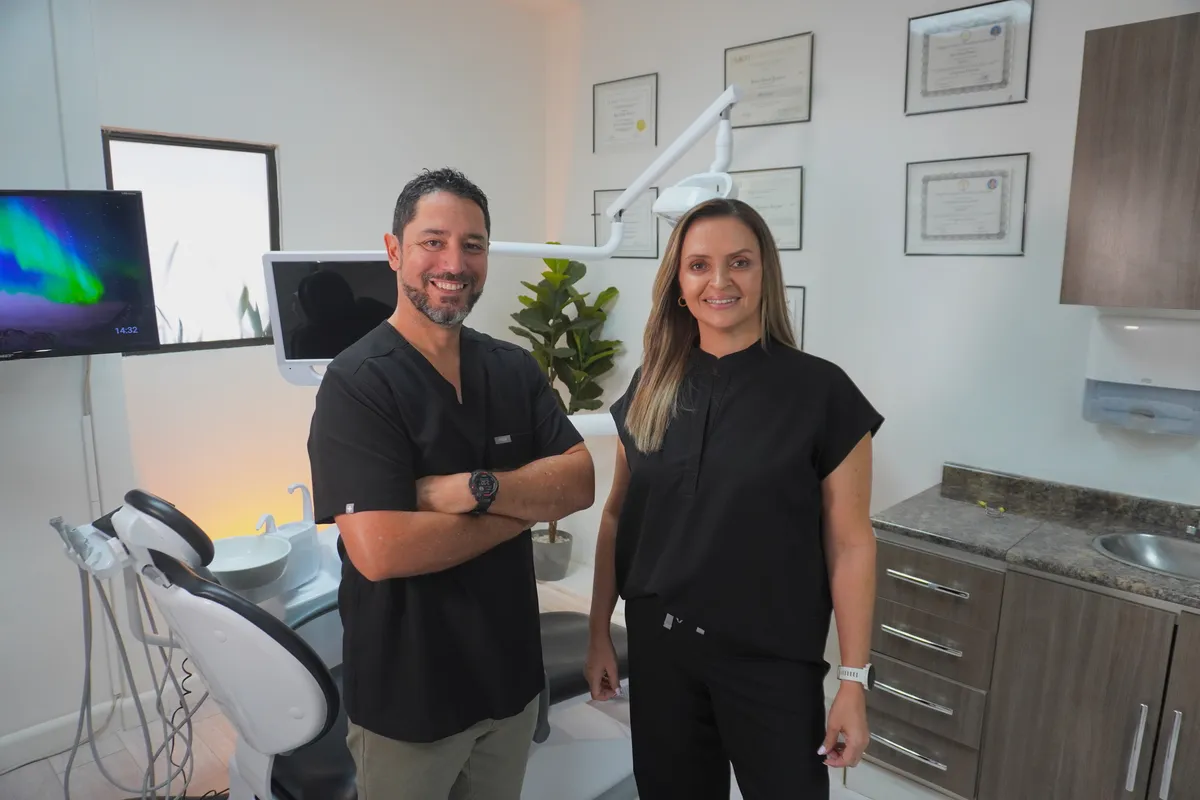
Dr. Diego Vernava & NPC Team
Doctor in Dental Surgery & Multidisciplinary Specialists
Published: 24 Jul, 2026 • 5 min read
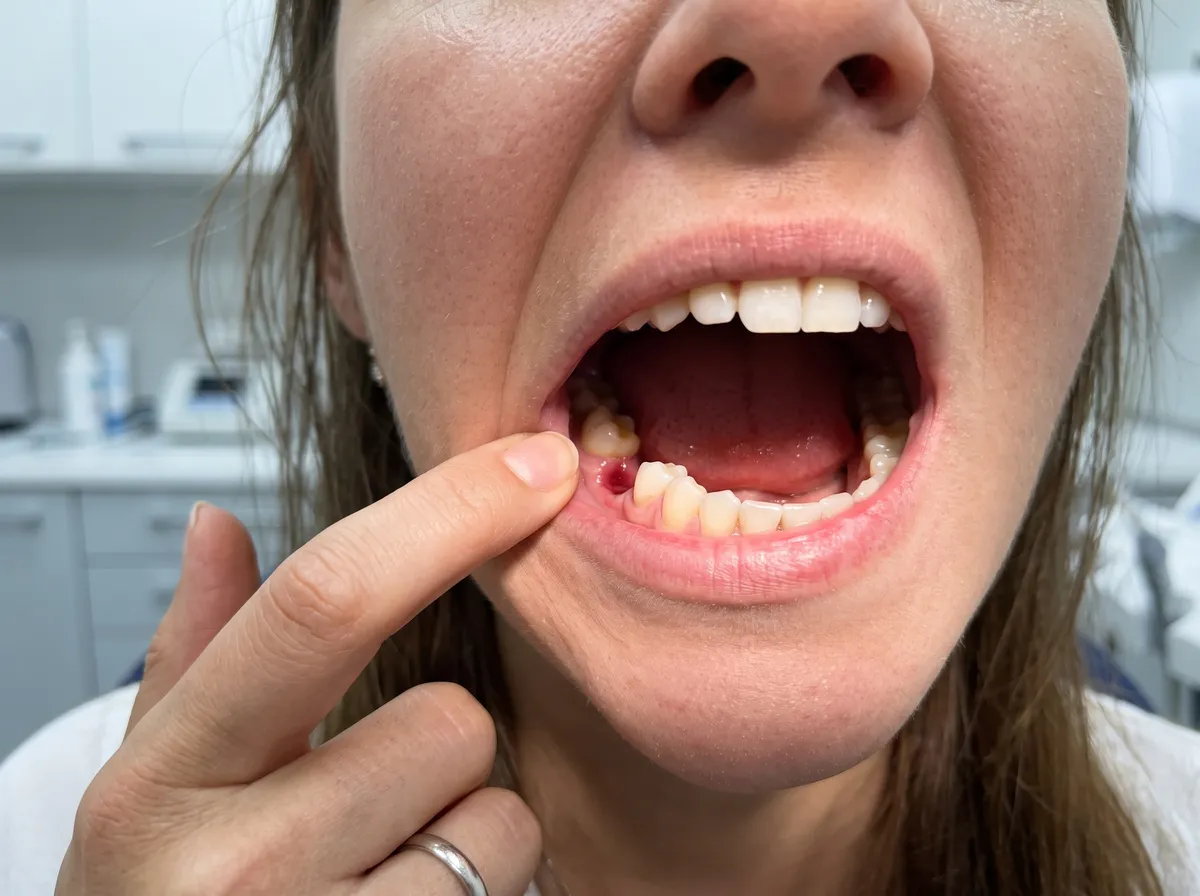
The loss of a natural tooth is rarely an isolated event; it marks the beginning of a quiet, progressive cascade beneath the gumline. While immediate attention often focuses on aesthetics or the immediate inconvenience to mastication, the most significant consequence unfolds within the underlying alveolar bone tissue. Understanding the underlying mechanisms of bone resorption—and the advanced clinical protocols available to reverse and stop it—is essential for long-term oral stability and facial harmony.
The Biological Cascade: Why Jawbone Density Declines After Tooth Loss
The maxilla and mandible (jawbones) rely on a dynamic biological process known as mechanotransduction. Under healthy conditions, the force generated during chewing travels down through the root of the tooth into the periodontal ligament and surrounding alveolar bone. This continuous mechanical stimulation signals the body to maintain bone density through a balanced cycle of cellular breakdown and renewal.
When a tooth is extracted or lost, this critical mechanical stimulus vanishes. Without functional load, the body initiates a natural process of disuse atrophy:
- Microvascular Reduction: Blood flow to the unmanaged socket decreases, reducing cellular nutrients to the localized bone bed.
- Osteoclast Dominance: Bone-resorbing cells (osteoclasts) begin to outweigh bone-building cells (osteoblasts), leading to rapid structural reabsorption.
- Horizontal and Vertical Volume Loss: Within the first six to twelve months following a loss, the alveolar ridge can lose up to 40–60% of its initial width, followed by a gradual reduction in vertical bone height.
- Facial Architecture Collapse: Over time, significant resorption alters the structural support of the lower face, contributing to a shortened lower facial height, premature deep dynamic wrinkles, and thin lips.
Modern Clinical Solutions: Halting Resorption and Restoring Function
Preventing or correcting bone loss requires a restorative approach that addresses both structural foundation and biomechanical function. Traditional removable dentures or standard bridges sit atop the tissue, failing to stimulate the underlying bone. Advanced prosthodontics utilizes biocompatible interventions to stop the degradation cycle:
1. Advanced Bone Grafting and Site Preservation
When tooth loss occurs, performing socket preservation at the time of extraction helps preserve the architectural contours of the ridge. For areas with existing bone depletion, specialized bone augmentation procedures utilize highly biocompatible bone grafting materials and protective barrier membranes. This structural scaffolding encourages host osteoblasts to rebuild baseline density, preparing the site for permanent restoration.
2. Titanium Dental Implants
Dental implants are the only restorative modality that replaces both the crown and the functional root system. Fabricated from biocompatible titanium alloys or high-grade ceramics, implants undergo osseointegration—a process where living bone tissue integrates directly with the implant surface. This restored root interface reintroduces necessary mechanical loads during mastication, arresting further bone loss and preserving surrounding jaw architecture indefinitely.
3. Full-Arch Fixed Rehabilitation (All-on-4)
For patients experiencing extensive tooth loss or generalized bone atrophy across an entire arch, full-arch fixed rehabilitation utilizes strategically angled implant placements. By anchoring into high-density anatomical zones of the jawbone, this approach eliminates the need for extensive structural grafting in select cases while providing an immediate, fully functional fixed prosthesis.
The North Pacific Clinic Advantage: Precision Care in Guanacaste
At North Pacific Clinic, located in Tamarindo, Guanacaste, Costa Rica, oral rehabilitation is approached through a lens of biological preservation, structural longevity, and pristine clinical execution. Founded on over two decades of dedicated care in the Tamarindo community by Dra. Karol Trejos and Dr. Diego Vernava, our practice combines deep regional roots with international clinical standards.
- Multidisciplinary Rigor: Our clinical team brings together specialized expertise across cosmetic dentistry, prosthodontics, endodontics, and oral maxillofacial surgery—ensuring every stage of your bone preservation or implant placement is expertly coordinated.
- Comprehensive Systemic Wellness: Recognizing that oral health is deeply intertwined with systemic vitality, our team includes integrative medical guidance, addressing recovery, physical equilibrium, and patient comfort as a holistic whole.
- Uncompromising Safety Standards: Registered with the Colegio de Cirujanos Dentistas de Costa Rica, our clinicians utilize FDA- and EU-approved biocompatible materials, adhering strictly to North American sterilization and biosafety protocols.
- Streamlined Care for International Patients: For cross-border patients seeking world-class treatment, our dedicated team manages local transfers from Liberia International Airport (LIR) and coordinates exclusive rates with boutique hotel partners near Royal Palms Plaza. Implants are executed in a structured, two-phase protocol (initial placement followed by final crown delivery after three to six months of osseointegration), allowing patients to heal amidst the serene coastal environment of Guanacaste.
Initiate Your Path to Structural Longevity
Preserving your jawbone structure and restoring your smile requires a precise diagnostic foundation. Whether you are addressing recent tooth loss or seeking a comprehensive full-arch evaluation, our team is ready to guide your clinical journey.
Contact North Pacific Clinic to schedule your virtual or in-person diagnostic evaluation:
- Call Us: (+506) 2652 9016
- WhatsApp / Direct Line: (+506) 8332 4004
- Location: Royal Palms Plaza, Tamarindo, Guanacaste, Costa Rica