Molar Implant Cost: How Much Does Replacing a Back Tooth Cost?
Dr. Diego Vernava & NPC Team
Doctor in Dental Surgery & Multidisciplinary Specialists
Published: 16 Aug, 2026 • 5 min read
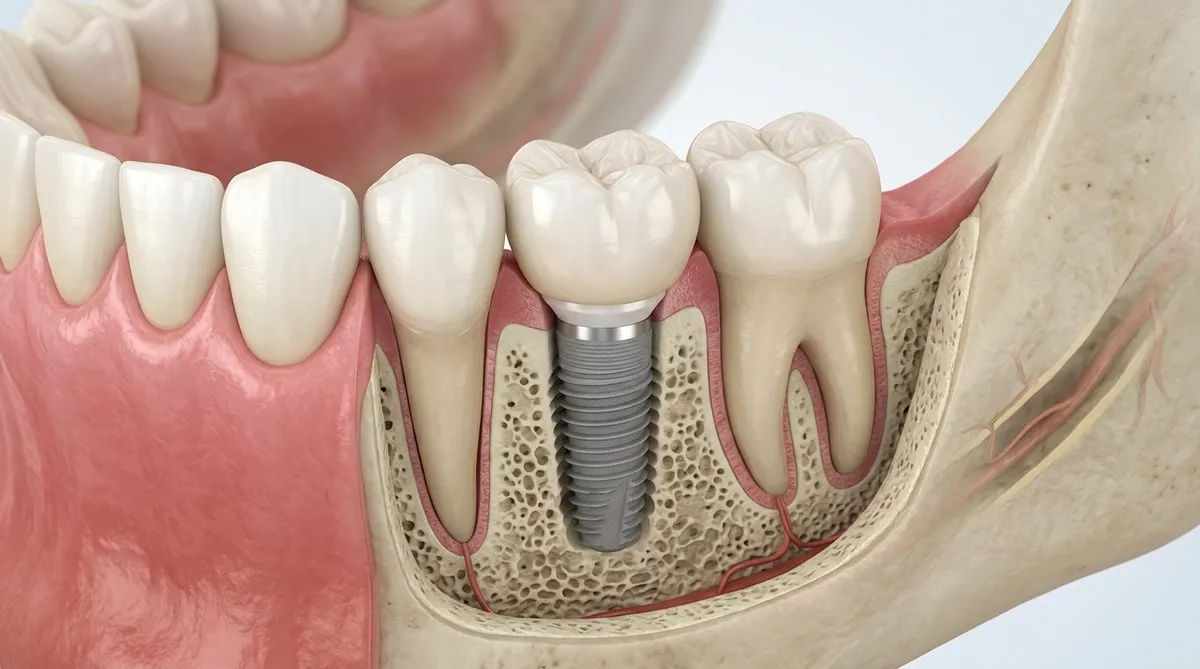
Replacing a lost molar is more than just restoring a gap in your smile; it's about re-establishing the foundational mechanics of your bite and ensuring long-term oral health. At North Pacific Clinic, we understand that patients often wonder about the specific investment required for a molar implant. This article will demystify the particularities of replacing a back tooth, distinguishing it from an anterior implant, and illuminate the factors that contribute to its overall cost.
What Makes a Molar Implant Unique? Understanding Posterior Anatomy
Molars, located at the very back of your mouth, are the workhorses of your dentition. They bear the brunt of chewing forces, playing a critical role in mastication and digestion. Their unique position and function necessitate a robust and stable foundation. Unlike anterior teeth, which are primarily for incising and aesthetics, molars require significant biomechanical strength.
The anatomical landscape of the posterior jaw presents distinct challenges:
- Bone Density and Volume: The quality and quantity of bone in the molar regions can vary significantly. In the upper jaw (maxilla), the maxillary sinuses are often in close proximity to the molar roots, potentially limiting available bone height. In the lower jaw (mandible), the inferior alveolar nerve pathway requires careful navigation.
- Occlusal Forces: Molar implants must withstand substantially higher biting forces compared to their anterior counterparts. This demands meticulous planning for implant size, material, and placement to ensure functional longevity.
The Critical Role of Bone Density and Bone Grafting for Molar Implants
Following a tooth extraction, the jawbone naturally begins to resorb or shrink. This biological progression can be more pronounced in molar areas, especially if the tooth has been missing for an extended period. For a successful molar implant, adequate bone volume and density are paramount to ensure the implant integrates securely with the jawbone (osseointegration).
In many instances, particularly in the upper jaw, a bone grafting procedure may be necessary:
- Sinus Lift: If the maxillary sinus has expanded into the area where a molar once stood, a sinus lift (or sinus augmentation) procedure is performed to gently elevate the sinus membrane and place bone graft material. This creates sufficient height for implant placement.
- Ridge Augmentation: For both upper and lower jaws, if the bone ridge has become too narrow or shallow, a ridge augmentation may be performed to build up the bone and provide a stable platform for the implant.
These grafting procedures are integral to the predictability and success of molar implants, ensuring the necessary foundation for long-term stability and functional integrity. While they add to the overall treatment timeline and cost, they are often indispensable for achieving optimal outcomes.
How Does Molar Implant Cost Compare to Anterior Tooth Replacement?
The cost of a dental implant is influenced by several factors, and replacing a molar often involves more intricate considerations than an anterior tooth. Key determinants include:
- Complexity of the Procedure: As discussed, the unique anatomy of the molar region and the potential need for bone grafting (sinus lifts, ridge augmentation) can increase the procedural complexity.
- Diagnostic Imaging: Advanced 3D imaging, such as Cone Beam CT (CBCT) scans, is often essential for precise planning in molar areas, adding to initial diagnostic costs.
- Type of Crown Material: Molar crowns must be exceptionally durable to withstand chewing forces. Materials like zirconia are commonly used for their strength and longevity, impacting the final crown cost.
- Number of Implants: While a single molar replacement typically involves one implant, adjacent issues or multiple missing molars would naturally increase the overall investment.
While the initial cost for a molar implant might be perceived as higher due to these factors, it represents an investment in superior functional longevity and prevents further biological progression of bone loss and bite issues.
North Pacific Clinic: Your Trusted Partner in Restorative Excellence and Strategic Healthcare Mobility
For over two decades, North Pacific Clinic has been a beacon of world-class dental and medical care in Tamarindo, Guanacaste, Costa Rica. Our commitment to excellence is spearheaded by our distinguished team, including Dr. Diego Vernava (Doctor in Dental Surgery) and Dra. Karol Trejos, supported by a multidisciplinary team of specialists in Endodontics and Maxillofacial Surgery. Complementing our dental expertise, Dra. Mariana Trejos, with 10 years of experience, leads our Integrative Medicine & Women's Health department, offering a holistic approach to patient well-being.
We are dedicated to providing an unparalleled patient experience, combining the technical rigor of advanced dentistry with the serenity and personalized care of a luxury private clinic.
Experience World-Class Care with Unrivaled Value in Costa Rica
Patients from the US and Canada increasingly choose North Pacific Clinic for strategic healthcare mobility, recognizing the significant advantages:
- Exceptional Value: Achieve 50% to 70% savings on comprehensive dental implant treatments compared to costs in North America, without compromising on quality.
- Uncompromising Quality & Safety: We exclusively utilize materials approved by the US FDA and European Union, and strictly adhere to US and Canadian sterilization and biosecurity protocols. Our clinic maintains an active registry with the prestigious Colegio de Cirujanos Dentistas de Costa Rica.
- Seamless Travel & Support: Your journey to optimal oral health is effortless. We provide logistics support, including airport transfers from Liberia (LIR) and clinic shuttles. We've partnered with esteemed local accommodations like Tamarindo Bay Hotel, Antema Lodge, and Hotel Seis Playas to offer discounted rates. Integrate your treatment with the vibrant local culture, enjoying catamaran tours, surf lessons, and national park hikes.
- Efficient Treatment Timelines:
- For dental implants, a typical treatment journey involves two visits:
- Visit 1 (3–5 days): Initial placement of the implant.
- Visit 2 (3–6 months later for 1 week): Placement of the final custom crown after complete osseointegration.
Begin Your Journey to Optimal Oral Health
Considering a molar implant? We invite you to explore the possibilities with North Pacific Clinic. Connect with our dedicated patient coordination team to schedule a virtual or in-person consultation and discover how we can restore your smile with precision and care.
Contact Us Today:
WhatsApp: +506 8332 4004
Clinic Phone: +506 2652 9016