Navigating the First 48 Hours: What to Expect When Recovering from Dental Implants in Guanacaste
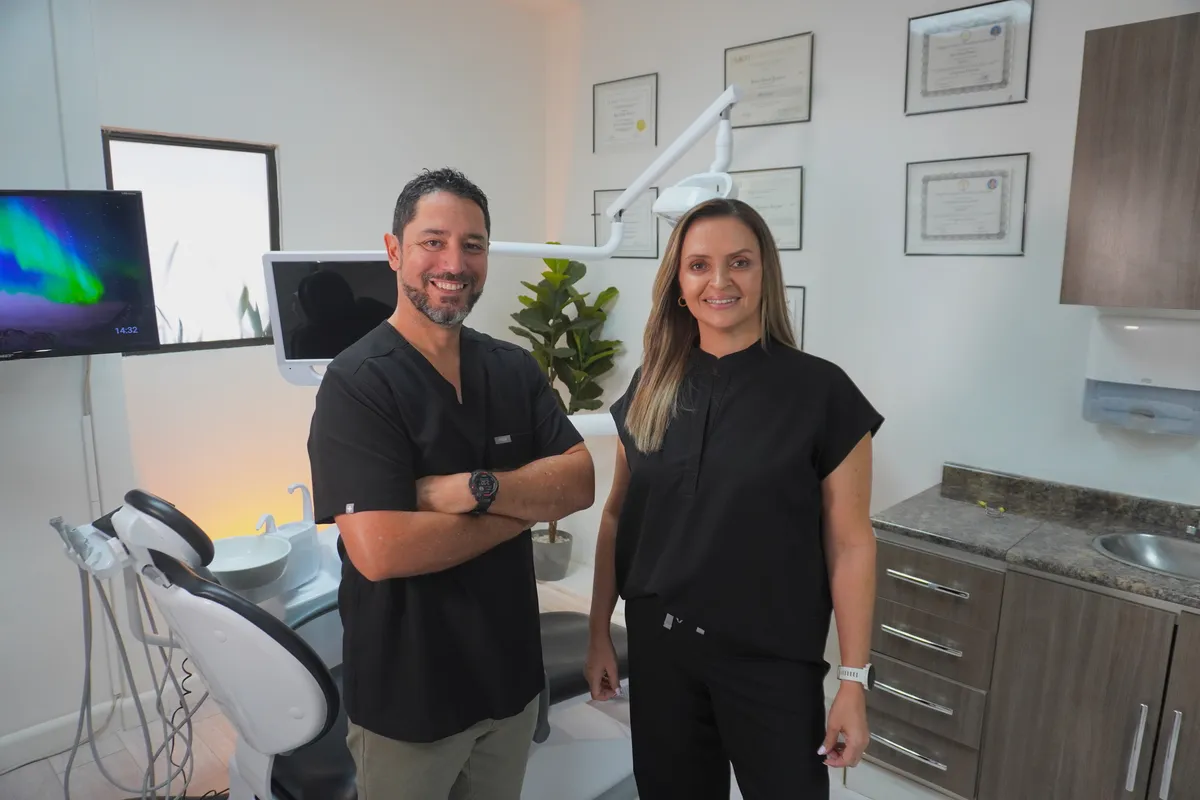
Dr. Diego Vernava & NPC Team
Doctor in Dental Surgery & Multidisciplinary Specialists
Published: 19 Nov, 2026 • 5 min read

Stepping out of the clinical suite after dental implant placement marks the beginning of an important biological process: osseointegration—the natural fusion of your jawbone with a biocompatible titanium or zirconia fixture. For international patients settling into a coastal hotel or private villa in Tamarindo, those initial two days away from home can naturally feel unfamiliar. Understanding what your body is doing behind the scenes removes uncertainty, allowing you to rest comfortably while your oral tissues initiate the foundational stages of healing.
At North Pacific Clinic in Guanacaste, surgical precision is designed to minimize tissue trauma from the start. Even with minimally invasive protocols, your body responds to implant placement with a predictable, healthy inflammatory cascade. Knowing how to support this physiology ensures a calm, uneventful recovery.
Immediate Post-Op Physiology: Protecting the Surgical Foundation
During the first 24 to 48 hours, your body immediately begins securing the surgical site. Rather than viewing mild swelling or pink-tinted saliva as setbacks, recognize them as signs that your immune system is actively delivering growth factors and nutrients to the bone and soft tissue.
- Oozing vs. Active Bleeding: Light oozing that tints your saliva pale pink is entirely normal for the first 24 hours. If you notice persistent bright red bleeding, fold a sterile damp gauze pad over the area and apply firm, steady biting pressure for 30 minutes without peeking.
- Blood Clot Preservation: A stable fibrin blood clot acts as a biological bandage over the bone and suture lines. Protecting this delicate matrix is critical to preventing localized irritation or delayed soft-tissue closure.
- Normal Inflammatory Timelines: Mild to moderate facial swelling typically peaks between 36 and 48 hours post-surgery before gradually subsiding. Gentle stiffness around the jaw muscles is also common and resolves naturally as inflammation recedes.
Managing Comfort & Pain Protocols Safely
Staying ahead of post-operative discomfort is far easier than trying to quiet pain once it has escalated. Before local anesthesia fully wears off—usually within two to four hours after leaving the clinic—take your first scheduled dose of prescribed medication with a small amount of cool liquid or soft nourishment.
Scheduled Alternating Protocols: Our clinical team often recommends alternating prescribed anti-inflammatory medications and analgesics on a strict timetable during the first 48 hours. Keeping a written log on your phone helps prevent missed doses or accidental overlap.
Effortless Local Pharmacy Delivery: You do not need to navigate unfamiliar roads or stand in line while resting. Most established pharmacies in the Tamarindo area offer direct WhatsApp ordering and prompt courier delivery straight to your hotel lobby or villa gate, ensuring your recovery remains uninterrupted.
Hydro-Therapy & Temperature Management
External temperature control is one of the most effective, non-pharmacological ways to regulate post-surgical swelling and soothe soft tissues during the first day and a half.
- The 20-Minute Rule: Apply an ice pack or cold compress wrapped in a clean, thin towel to the outside of your cheek directly over the surgical area for 20 minutes on, followed by 20 minutes off.
- Timing Matters: Cold therapy is most beneficial during the first 36 hours following surgery, when blood vessels are most reactive. After 36 to 48 hours, discontinue ice; if residual stiffness lingers on day three, switching to gentle moist warmth promotes circulation and tissue relaxation.
Precautions & Dietary Rules for Days 1 & 2
Mechanical pressure, heat, and chemical irritants can easily disrupt fresh sutures or dislodge a healing clot. Treating the surgical site with quiet respect during the first 48 hours safeguards your long-term structural prognosis.
- Strict Physical Prohibitions: Avoid vigorous rinsing or spitting—let water fall gently from your mouth into the sink instead. Do not use drinking straws, as suction creates negative intraoral pressure that can disturb the surgical site. Refrain entirely from smoking, vaping, and alcohol consumption, all of which constrict blood vessels and impair cellular repair. Finally, resist the urge to inspect or touch the implant site or sutures with your tongue or fingers.
- Cooling, Nutrient-Dense Nourishment: Stick exclusively to cold liquids and lukewarm, smooth foods during the first two days. Hot liquids can trigger renewed oozing, while small seeds, grains, or crunchy textures can become lodged near healing tissues. Chilled protein smoothies (eaten with a spoon), cold yogurt, applesauce, and lukewarm, strained bone broths provide effortless hydration and tissue-building amino acids without requiring mastication.
The North Pacific Advantage: Coordinated Care in Tamarindo
Recovering in Guanacaste allows you to pair world-class clinical standards with the restorative calm of Costa Rica’s North Pacific coast. Located in Tamarindo’s Royal Palms Plaza, North Pacific Clinic has served both local residents and international patients since 2005 with a fully bilingual, multidisciplinary team.
Every implant procedure utilizes FDA- and European Union-approved biocompatible materials alongside strict North American sterilization and biosafety protocols. Because our model integrates advanced prosthodontics with holistic patient support, you are never left guessing during your stay. From coordinating private transfers between Liberia International Airport, your hotel, and our clinic to offering direct bilingual WhatsApp access to our clinical team, every logistical detail is structured so you can focus exclusively on resting.
Bonus Takeaway: Evening Routine Checklist for Optimal Overnight Healing
Lying completely flat increases blood pressure in the head and neck, which can intensify throbbing and morning facial swelling. Follow this simple evening checklist before going to sleep on Nights 1 and 2:
- [ ] Verify Medication Timing: Confirm your evening anti-inflammatory or analgesic dose is taken on schedule so comfort lasts through the night.
- [ ] Perform a Gentle Saltwater Rinse (After 24 Hours Only): Starting on Day 2, gently tilt your head side to side with a lukewarm saline solution (half a teaspoon of sea salt in a glass of water)—never swish vigorously—and let it drain passively.
- [ ] Brush Adjacent Teeth Carefully: Maintain oral hygiene on non-surgical teeth using a soft-bristled brush, steering clear of the implant site and sutures.
- [ ] Prepare an Elevated Sleep Setup: Stack two to three firm pillows—or use a wedge pillow—to keep your head elevated at a 30- to 45-degree angle throughout the night.
- [ ] Protect Your Bedding: Place a dark towel over your pillowcase on the first night in case of minor, normal salivary oozing while you sleep.
- [ ] Keep Hydration Within Reach: Set a glass of cool water (without a straw) and your phone on the nightstand so you do not have to get up unnecessarily.
Begin Your Restorative Journey with Clarity
Whether you are currently recovering in Tamarindo or planning an upcoming dental implant procedure in Costa Rica, a clear, individualized clinical roadmap makes all the difference. To explore your restorative options or connect directly with our multidisciplinary team, we invite you to schedule a comprehensive virtual or in-person diagnostic evaluation at North Pacific Clinic—via WhatsApp at (+506) 8332-4004
or by phone at (+506) 2652-9016.