The Truth About Teeth Whitening: What You Need To Know Before Your Next Appointment
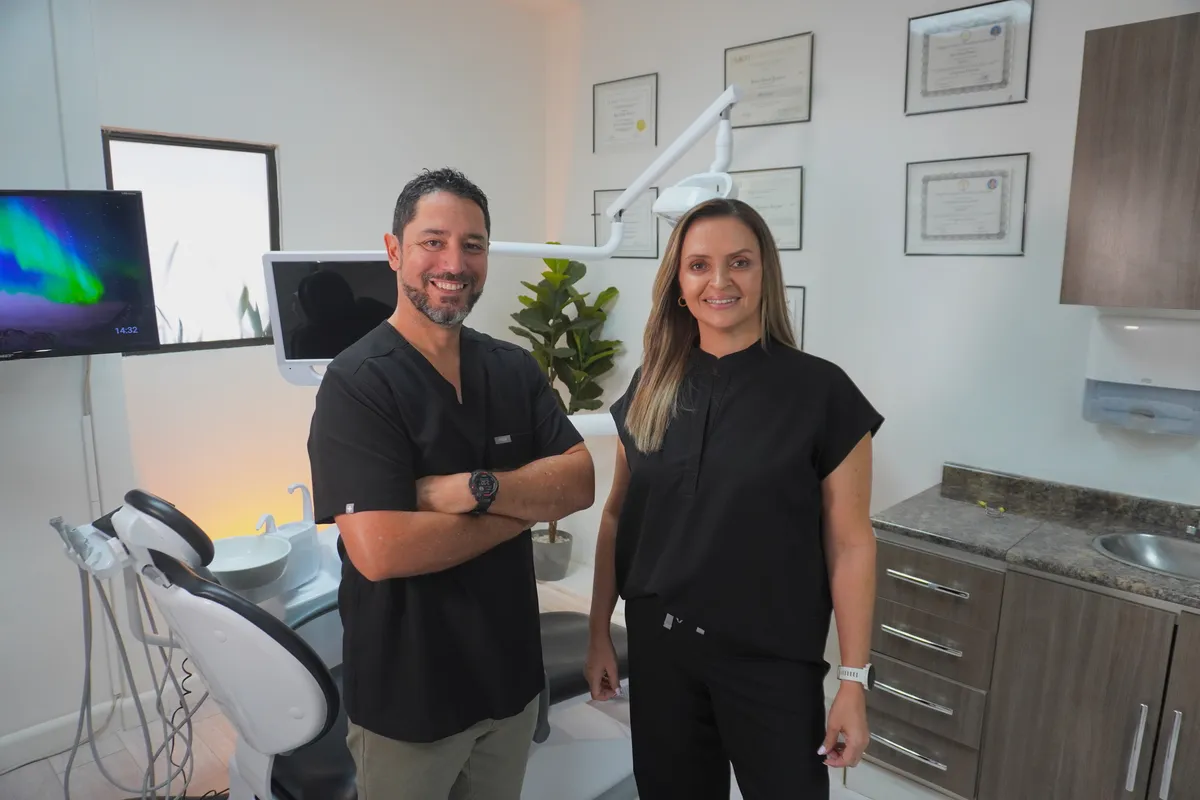
Dr. Diego Vernava & NPC Team
Doctor in Dental Surgery & Multidisciplinary Specialists
Published: 15 Jul, 2026 • 5 min read
Most patients walk into my office with two fears: white teeth mean pain, and whitening damages enamel. Neither is true anymore.
I am Dr. Diego Vernava, DDS. I have practiced dentistry for over 20 years at North Pacific Clinic in Tamarindo, Costa Rica. Here is what you need to know before you whiten your teeth.
Sensitivity is not the price of white teeth anymore
Modern whitening gels contain ingredients which reduce or block sensitivity during treatment. We use a high concentration hydrogen peroxide gel. The mix is pH balanced, so it does not pull minerals from your enamel or damage the tooth structure.
Ten years ago, sensitivity was the tradeoff for a whiter smile. Today it isn't.
What results actually look like
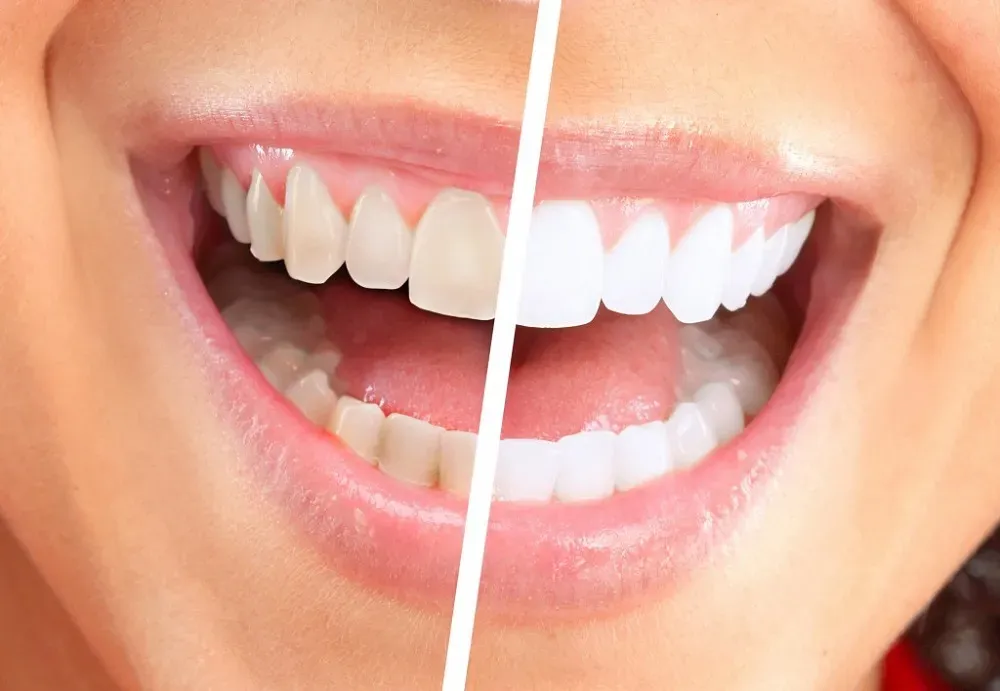
Most patients whiten 5 to 6 shades in a single visit. Your exact result depends on your starting shade and the type of stains on your teeth.
Not all stains respond the same way
Whitening works well on surface stains. These come from coffee, wine, tobacco, and food.
Stains inside the tooth structure need a different approach entirely. Also, white spots caused by decalcification get more visible after whitening, not less. This is normal. I always tell patients this before we start, so nobody leaves surprised.
The appointment itself
A whitening session takes 45 minutes total. We apply the gel in 20-minute intervals. You walk out with visible results the same day—no waiting weeks to see change.
The next 48 hours matter more than the appointment
After whitening, the pores on your teeth stay open for a short window. Anything you eat or drink during this window can stain them again.
For 48 hours, avoid:
- Soy sauce
- Ketchup
- Mustard
- Coffee
- Smoking
Stick to clear foods and drinks. This single habit decides how long your results last.
How long results last
Results stay stable for 3 to 6 months in most cases. We recommend a touch-up once a year, but this is not a fixed rule. Every person's threshold for what counts as white enough is different. Your habits, especially coffee and smoking, speed up how fast the shade fades.
In-office whitening versus at-home kits: my honest take
I whitened my own teeth with an at-home kit. Within the first few days, I had sensitivity. I also got burns on my gums where the gel leaked.
Here is the honest difference between the two options:
- In-office whitening: Gives you immediate results in one session.
- At-home kits: Ask you to do more work over more days, with more risk. The gel is not applied with the same control, and it leaks onto the gums.
This leak causes discomfort and surface burns on gum tissue. I experienced this firsthand as a dentist who should have known better. I don't recommend at-home kits as a first option.
Who should get checked before whitening
If you have internal tooth stains, active gum disease, or white spots from decalcification, talk to a dentist before you whiten. Whitening won't fix these issues. In some cases, it makes them more visible.
The bottom line
Whitening is one of the fastest ways to change how your smile looks. It also comes with rules most patients never hear before they start:
- Know your stain type.
- Protect the first 48 hours.
- Pick a treatment method matched to your risk tolerance.
This is how you get a result which lasts.
If you have questions about whitening or want to check your candidacy, reach out to North Pacific Clinic in Tamarindo. We will walk you through what your teeth need before you commit to anything.